No more delays on conversion therapy ban in Scotland
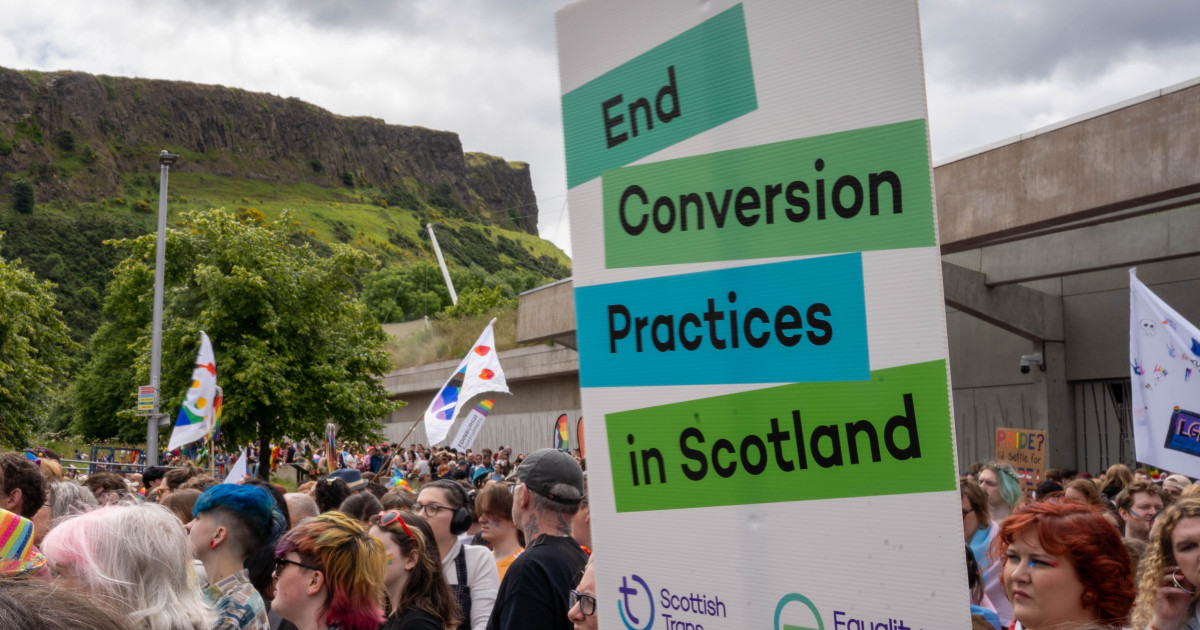
The Scottish Government must include a watertight ban on so-called conversion therapy in its forthcoming Programme for Government, says the Scottish Greens.
The call comes from Scottish Greens equalities spokesperson, Kate Nevens MSP, as the UK government has published a bill that they say will end the practice. The bill will apply to England and Wales, but not to Scotland.
In 2024 the Scottish Government dropped its commitment to ban conversion practices in Scotland, claiming that a UK-wide approach would be better. This was after completing the consultation stage and building a consensus across human rights organisations.
As Scotland has not been included in UK plans there is now no excuse for further delay.
Kate said:
“So-called conversion therapy is a form of torture that has no place in a modern or inclusive Scotland, and yet it continues.
“The Scottish Government has made LGBTQ+ people wait for far too long. They promised a watertight ban five years ago, before going back on it and choosing to outsource the work to Westminster. That clearly hasn’t worked, but the abuse has continued.
“Far too many people have had to suffer for far too long. They deserve an apology, but they also deserve an end to their pain.
“The UK-approach has failed. There can be no more delays and no more kicking it into the long grass.
“The Scottish Government already has a strong and comprehensive draft bill that is ready to go and that goes further than the UK government is proposing for England and Wales.
“It is time for them to live up to their word and deliver the watertight ban that they promised.”
Kate added:
“I will be taking time to look at the proposals for England and Wales, but human rights campaigners and equality organisations are already raising serious concerns about their limitations and possible loopholes.
“We need to ensure that the ban we deliver in Scotland is as strong as it can be and that it leaves no-one behind.”