Labour’s electric vehicle U-turn is latest in UK climate rollbacks
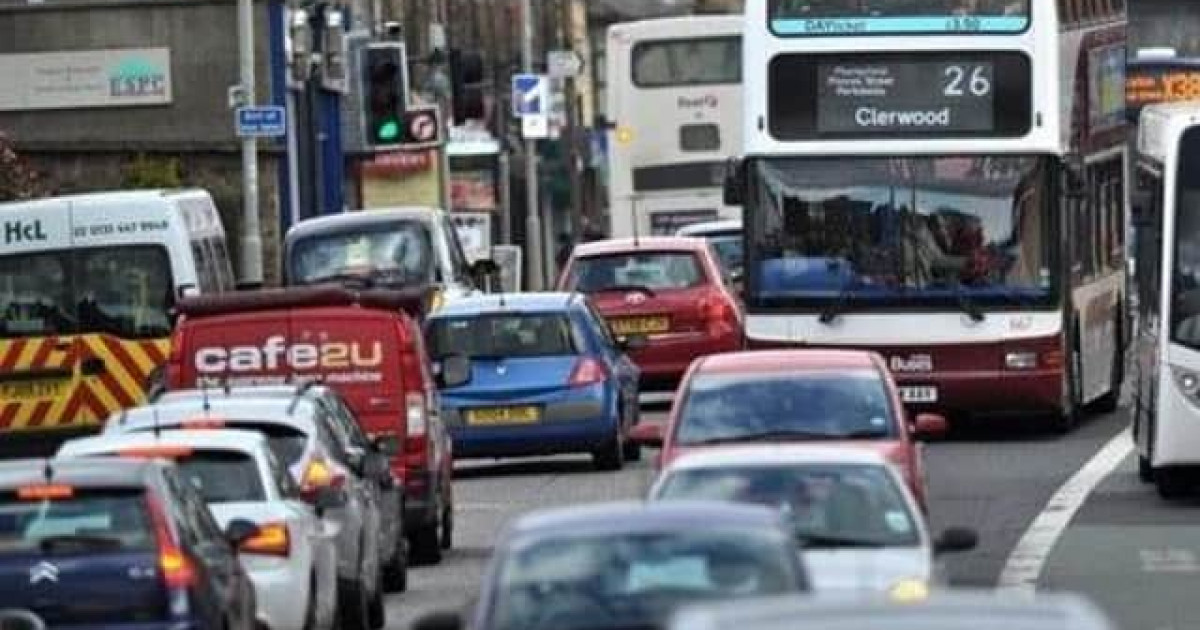
The Scottish Greens have urged the Labour UK Government to reject calls to weaken electric vehicle sales targets, warning that a rollback would undermine investment and efforts to cut transport emissions.
Responding to reports that ministers are expected to reduce the requirement for 80% of new cars sold in the UK to be electric by 2030, the party’s transport spokesperson, Patrick Harvie MSP, has said ministers should instead focus on making cleaner transport affordable and accessible, while providing certainty for businesses investing in electric vehicles and charging infrastructure.
This is the latest in Labour’s set of climate reversals, following the recent approval of the Jackdaw gas field and the lack of clarity on approving of Rosebank.
Patrick Harvie MSP said:
“Since Andy Burnham came to power, Labour has been rolling back on its climate commitments.
"With COP31 taking place right now, it would be shameful for the UK Government to further weaken climate commitments that are not good enough when it should be joining global efforts to strengthen them.
“This constant shifting of the goalposts also undermines businesses that have made the right step and invested in electric vehicles and charging infrastructure. They deserve certainty that ministers will honour their commitments.
“The climate crisis is already devastating communities around the world, yet ministers keep treating climate commitments as something they can bargain away under pressure from polluting industries.
“His government has given the green light to Jackdaw, appears ready to do the same for Rosebank, and now looks set to weaken the requirement for 80% of new cars sold in the UK to be electric by 2030. Every one of these decisions locks us further into expensive and finite fossil fuels right when we urgently need to cut emissions.
“Andy Burnham should be making cleaner transport affordable and accessible, expanding reliable charging infrastructure and investing in public transport and walking and cycling so that fewer people need to depend on a car in the first place.
“As we continue to see volatile oil prices, accelerating the transition away from fossil fuels is vital to protecting households and businesses from future price shocks.
"Slowing that transition will prolong our dependence on the same unstable markets that have already driven up costs for so many.”