BBC Scotland closure risk excluding hundreds of thousands of Scots without internet access, Greens say
BBC Scotland’s closure risks excluding hundreds of thousands of Scots who do not have access to the internet, the Scottish Greens have said.
Around 230,000 households in Scotland do not have access to the internet, and the cuts will disproportionately impact women, those who are older, and those on lower incomes.
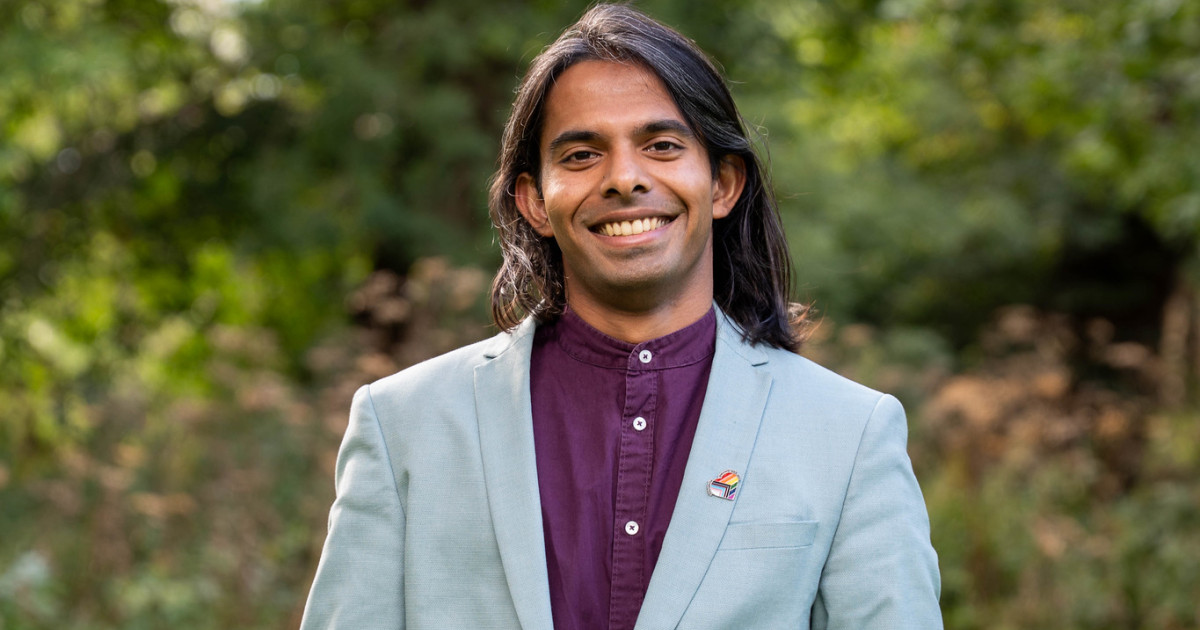
Scottish Greens culture spokesperson Q Manivannan argued that the cuts should not go ahead without universal digital inclusion, which is simply not the case in Scotland.
Speaking in the Scottish Parliament on Tuesday, Q said:
“The BBC remains an essential foundation for the news media and culture sector. I grew up watching it, just as you did.
“Yet while there is a consensus among broadcasters on the need for an eventual shift to digital programming – every single broadcaster in their briefings have explicitly mentioned a single passing line: that this shift can only happen if paired with universal digital inclusion.
“But we simply do not have that. 230,000 households in Scotland do not have access to the internet, one in six adults lack foundational digital skills, rural full-fibre coverage is only 50%, an estimated 14% can't afford sufficient and secure internet access, and 77,000 homes can’t get superfast broadband. Do they not matter?
“This divide disproportionately affects Scots who are women, who are older, and who are low-income. In households with an income under £10,000, only 69% are online.
“Above £40,000, 99% are. So the move to digital only programming, won't affect anyone in this chamber. It will affect the person who learns of a death in her community from Reporting Scotland, because her phone can't tell her.
“The Equal Media and Culture Centre has warned that these cuts to BBC Scotland could disproportionately affect women, and regress gender equity efforts in Scotland’s broadcasting and media sectors.”
Q added:
“So how are we not opposed to BBC Scotland shifting to digital only, or a UK government Green Paper suggesting turning off Freeview in a few years, a growing movement of digital exclusion that somehow believes that public service broadcasters must function as if they’re commercial businesses and make decisions that exclude hundreds of thousands of people without censure.
“This is unacceptable, and we cannot in good conscience allow it to proceed.”
The debate passed with the government supporting Q’s amendment.